- Eat more dark leafy green vegetables:
These veggies are packed with antioxidants and phytonutrients that protect cells and DNA from damage. They are rich in fiber, folate, carotenoids, vitamins C and K, iron and calcium. They help support the immune system and reduce inflammation throughout the body. Try adding more arugula, watercress, spinach and dark lettuces to your meals. - Eliminate sugar, gluten and dairy:
Of all foods and food additives, our patients see the greatest improvement in their symptoms when they remove sugar, gluten and dairy from the diet. These are difficult to digest and can cause inflammation, especially within the gut. And since 80 percent of the immune system is found in your gut, it is best to remove these ingredients completely for a period of time and see how you feel. - Eat high omega-3, low-mercury fish 2 to 3 times a week:
Many autoimmune conditions are characterized by high levels of inflammatory substances known as cytokines. Eating more omega-3 fatty acids from fish (like wild Alaskan salmon and sardines) can help regulate these cytokines and reduce inflammation. - Drink bone broth:
Bone broth has been used in cultures around the world for centuries, and now science is uncovering the myriad of benefits. It is rich in collagen (the main component of connective tissue), gelatin (which is anti-inflammatory and helps protect the gut lining from harmful microbes), glutamine (which protects against and can help reverse leaky gut – a key factor in the development of autoimmune disease), proline rich peptides (needed for proper collagen structure) and several vitamins and minerals. Use in soups, stews, or simply have a cup at the end of the evening as you would with tea. - Add turmeric and black pepper to your cooking:
Ample research shows the potent anti-inflammatory and antioxidant effects of turmeric. Specifically, curcumin is the constituent in turmeric that provides its deep yellow color and medicinal qualities. Curcumin inhibits inflammatory cytokines. We recommend you use turmeric as it has been used traditionally – in cooking! Pair turmeric with black pepper and a source of fat, such as ghee or coconut oil, to enhance absorption and medicinal benefits.


Top 5 Diet Changes for Autoimmunity
About the Author

Share
Latest Articles
-

Beyond Diet Alone: Nutrigenomics Reveals Kim’s Hidden Barriers
Meet Kim, a vibrant 69-year-old who walked into The UltraWellness Center frustrated with stubborn symptoms. Despite switching to a “Pegan” diet six months earlier, she still battled tinnitus, insomnia, and swollen hands. Though not her primary concerns, Kim also complained of constipation, eczema, sinusitis, anxiety, and headaches. Her HemoglobinA1c (HbA1c), a marker of your average…
-

A Functional Medicine Approach to Fertility
Many people arrive at fertility care feeling confused or dismissed. Labs may come back “normal,” yet cycles feel off, energy is low, or conception isn’t happening. Conventional fertility care often focuses on isolated metrics — hormones, ovulation, egg count — without addressing the larger picture. At The UltraWellness Center, fertility is viewed through a whole-body,…
-
The Mediterranean Diet for Fertility
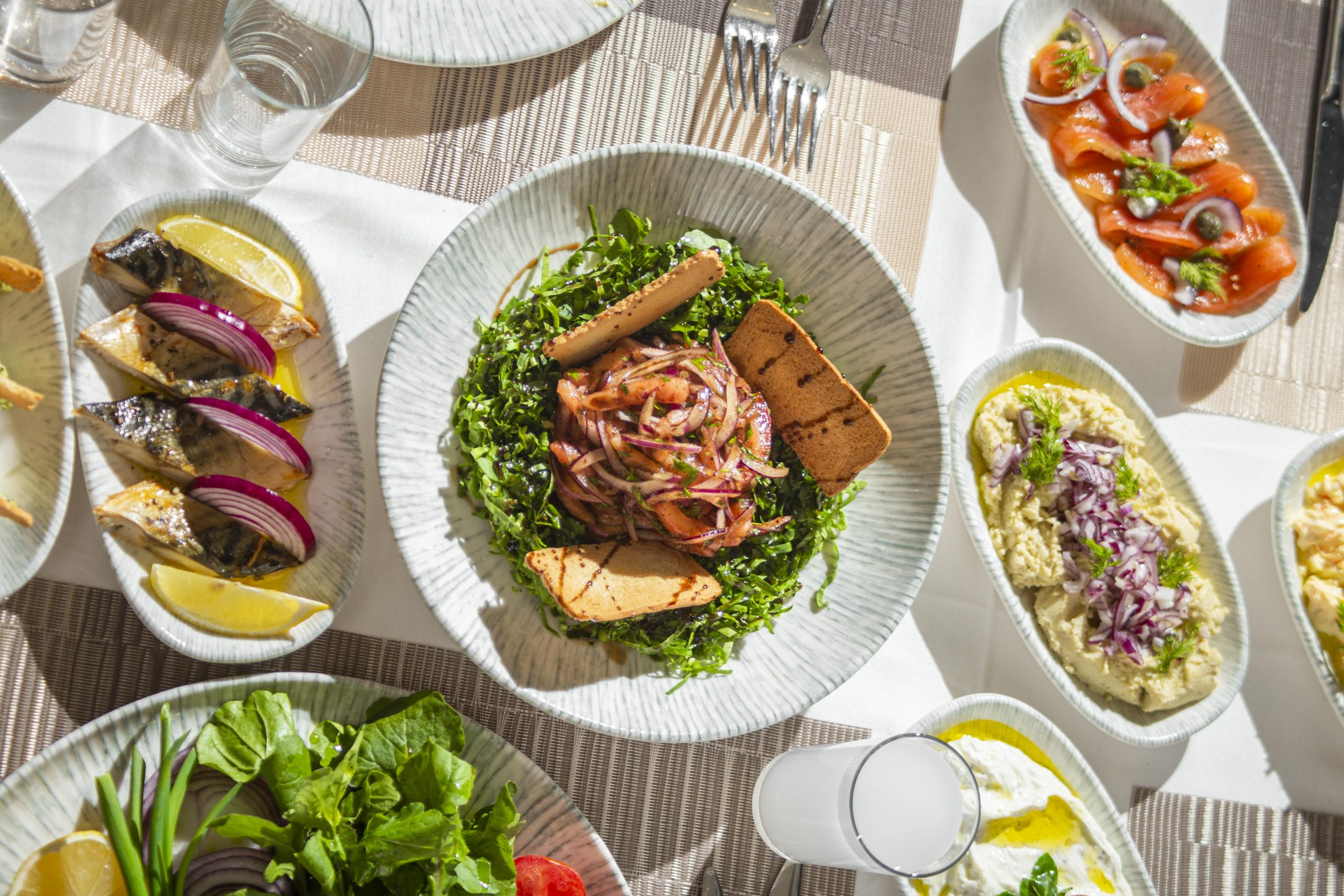
When preparing for pregnancy, what you eat lays the foundation for reproductive health, regardless of whether you’re conceiving naturally or with fertility support. Studies consistently show that certain eating patterns can help support hormone signaling, reduce inflammation, and improve both egg and sperm quality. The Mediterranean diet stands out as one of the most well-researched and effective approaches for women and men alike. …